rajeevmohank
Piles, medically known as Hemorrhoids, are one of the most common anorectal disorders affecting millions of people in India. Despite being a widespread issue, most patients hesitate to discuss it openly due to embarrassment or lack of awareness — often delaying treatment until the condition becomes severe.
Here, Dr. Ankur Sharma, one of Mathura’s leading General, Laparoscopic, and Laser Surgeons, explains everything you need to know about piles including causes, symptoms, prevalence, and treatment options.
What Are Piles (Hemorrhoids)?
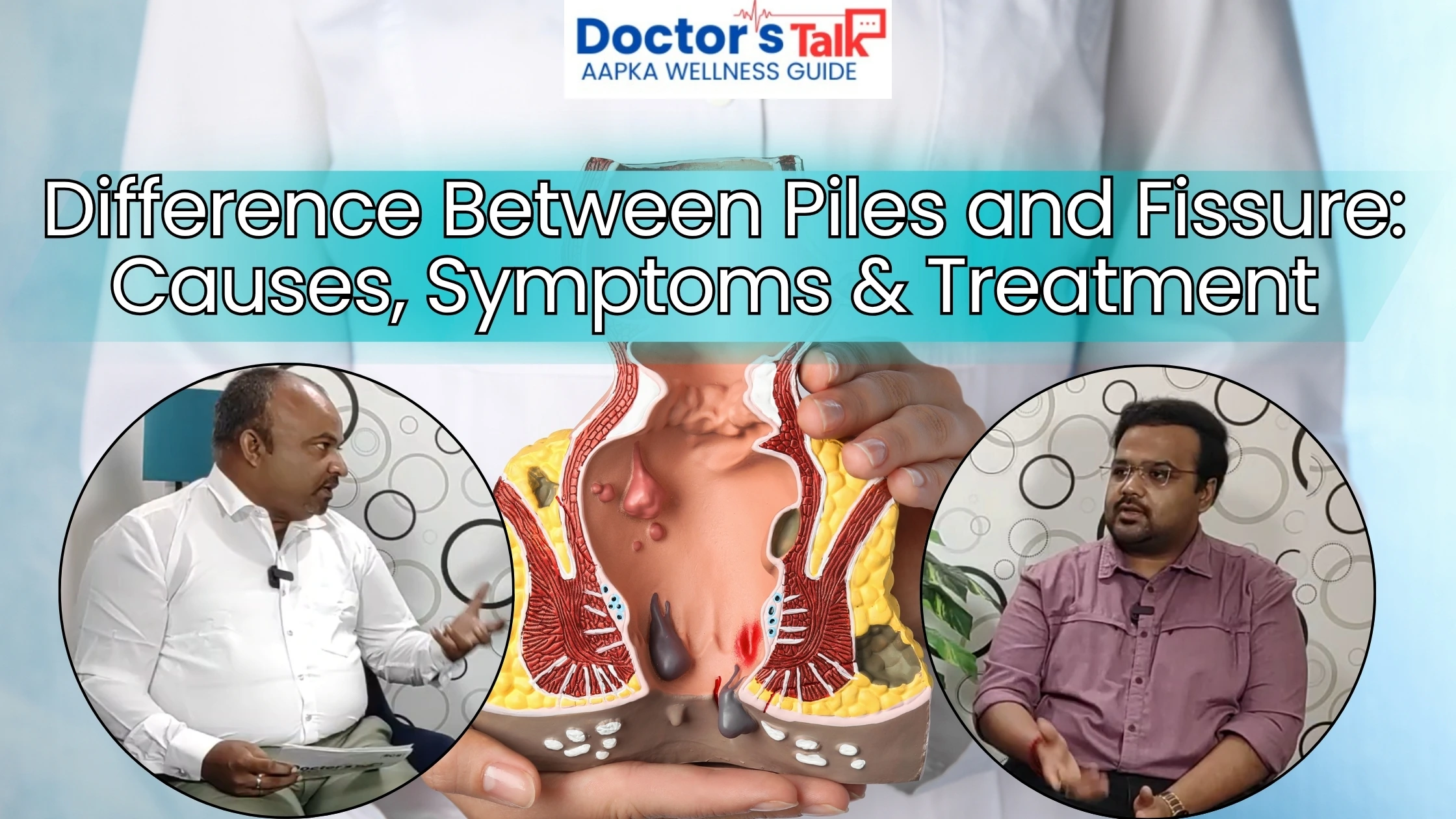
Piles are swollen and inflamed veins located in the lower rectum and anus. These veins may bulge due to increased pressure, leading to pain, discomfort, itching, and bleeding during bowel movements.
Depending on their location, piles are classified as:
- Internal Piles: Found inside the rectum and usually painless but may bleed.
- External Piles: Located around the anus; often painful, itchy, and can cause swelling.
- Prolapsed Piles: Internal hemorrhoids that protrude outside the anus.
- Thrombosed Piles: Contain clotted blood, causing severe pain and inflammation.
Though piles can occur in anyone, certain factors increase the risk such as chronic constipation, prolonged sitting, or straining during bowel movements.
How Common Is Piles in India?
Piles are extremely common in India, affecting nearly 40–50% of adults at some point in their lives. However, actual numbers may be higher because many people avoid medical consultation due to social stigma or lack of awareness.
Prevalence by Age Group
- Young Adults (20–40 years): Commonly affected due to sedentary lifestyles, irregular diet, and long working hours.
- Middle-Aged and Elderly (40–60 years): The risk increases with age as vein elasticity reduces.
- Pregnant Women: Pregnancy related hormonal changes and pressure on pelvic veins make piles quite common.
Dr. Ankur Sharma highlights that while piles are not life-threatening, they can significantly impact quality of life, causing pain, discomfort, and anxiety if left untreated.
Piles in Rural vs. Urban Areas: A Comparative View
The incidence of piles varies between rural and urban populations, primarily due to differences in diet, lifestyle, and occupational habits.
1. Urban Areas
- Higher prevalence due to sedentary work culture (long sitting hours).
- Diet low in fiber and high in processed foods.
- Increased stress, irregular eating, and lack of physical activity.
- Higher access to healthcare, so early diagnosis is more common.
2. Rural Areas
- Comparatively lower incidence due to fiber-rich diets and more active lifestyles.
- However, limited awareness and healthcare access lead to delayed diagnosis and advanced-stage presentation.
- People often depend on home remedies until the condition worsens.
Thus, urban lifestyles and dietary habits are major contributors to the rising number of piles cases in Indian cities.
Causes of Hemorrhoids (Piles)
Piles develop when the veins in the anal canal are exposed to increased pressure. Dr. Ankur Sharma explains that multiple factors contribute to this, including:
- Chronic Constipation or Straining: Repeated pressure during bowel movements damages rectal veins.
- Low-Fiber Diet: Lack of fiber causes hard stools and constipation.
- Sedentary Lifestyle: Prolonged sitting reduces blood flow in the rectal area.
- Obesity: Extra weight increases pelvic pressure.
- Pregnancy: Hormonal changes and increased abdominal pressure enlarge rectal veins.
- Aging: Vein walls weaken with age.
- Heavy Lifting: Frequent lifting of heavy weights increases abdominal pressure.
- Genetic Predisposition: Family history of piles increases susceptibility.
While occasional discomfort may be ignored, persistent pain or bleeding should never be neglected.
Symptoms of Piles
The symptoms depend on the type and severity of hemorrhoids. Common signs include:
- Bright red bleeding during or after bowel movements
- Pain or discomfort in the anal region
- Itching or irritation around the anus
- Swelling or lump formation near the anal opening
- Mucus discharge
- Feeling of incomplete evacuation
- Painful bowel movements (especially in external or thrombosed piles)
.Treatment of Piles: Modern & Effective Approaches
The good news is piles are completely treatable with proper medical care. The choice of treatment depends on the stage and severity of the condition.
1. Conservative Treatment (Early Stage)
For mild to moderate piles:
- Dietary Changes: Increase fiber intake (fruits, vegetables, whole grains).
- Hydration: Drink plenty of water to soften stools.
- Lifestyle Modifications: Avoid sitting for long periods; engage in light exercise.
- Topical Creams or Ointments: Reduce pain, swelling, and itching.
- Warm Sitz Baths: Relieve discomfort and improve blood circulation.
2. Minimally Invasive Procedures
When conservative treatments fail:
- Rubber Band Ligation: A band is applied to cut off blood supply to the pile.
- Sclerotherapy: Injection of a chemical to shrink hemorrhoidal tissue.
- Infrared Coagulation (IRC): Uses heat to coagulate hemorrhoids.
3. Surgical Treatments
For advanced stages (Grade III or IV piles), surgery may be needed. Traditionally, two major options exist:
- Conventional (Open) Surgery
- Laser Surgery
Let’s understand the role of laser surgery and why it’s becoming the preferred option among patients and specialists like Dr. Ankur Sharma.

Role of Laser in Piles Treatment
Laser Piles Surgery is a modern, minimally invasive technique using focused laser energy to treat hemorrhoidal tissue with precision.
The laser beam effectively shrinks and seals hemorrhoidal veins, minimizing bleeding and postoperative discomfort.
Advantages of Laser Surgery
- Painless and Bloodless Procedure: Minimal tissue damage and less pain.
- Quick Recovery: Patients can resume daily activities within 24–48 hours.
- Day-Care Procedure: Usually performed under local or short general anesthesia.
- No Cuts or Stitches: Reduces infection risk and postoperative complications.
- Minimal Bleeding and Scarring: Controlled laser energy ensures precision.
- Lower Recurrence Rate: Seals blood vessels effectively, reducing chances of relapse.
.Traditional Surgery vs. Laser Surgery for Piles
| Aspect | Traditional Surgery | Laser Surgery |
| Invasiveness | Requires incision and sutures | Minimally invasive, no cuts |
| Pain Level | Moderate to severe | Minimal to none |
| Bleeding | Common during and after surgery | Very little bleeding |
| Hospital Stay | 2–3 days | Same-day discharge |
| Recovery Time | 1–2 weeks | 1–2 days |
| Recurrence | Possible | Rare |
| Scarring | Possible | Negligible |
| Post-Operative Care | Intensive | Minimal |
As per Dr. Ankur Sharma, Laser Surgery offers superior comfort, safety, and faster healing compared to traditional methods. It is now considered the gold standard for advanced hemorrhoids.
Why Choose Dr. Ankur Sharma for Piles Treatment
Dr. Ankur Sharma is the best General, Laparoscopic, and Laser Surgeon in Mathura, specializing in advanced Laser Piles Treatment.
With years of experience and precision surgical skills, he ensures safe, effective, and long-lasting results.
Conclusion
Piles (Hemorrhoids) are a common but often neglected condition that can severely affect one’s quality of life if untreated.
From lifestyle habits to dietary deficiencies and sedentary work, multiple factors contribute to its onset.
Dr. Ankur Sharma, with his best in Laser and Laparoscopic Surgeries, provides world-class care for piles patients in Mathura.