rajeevmohank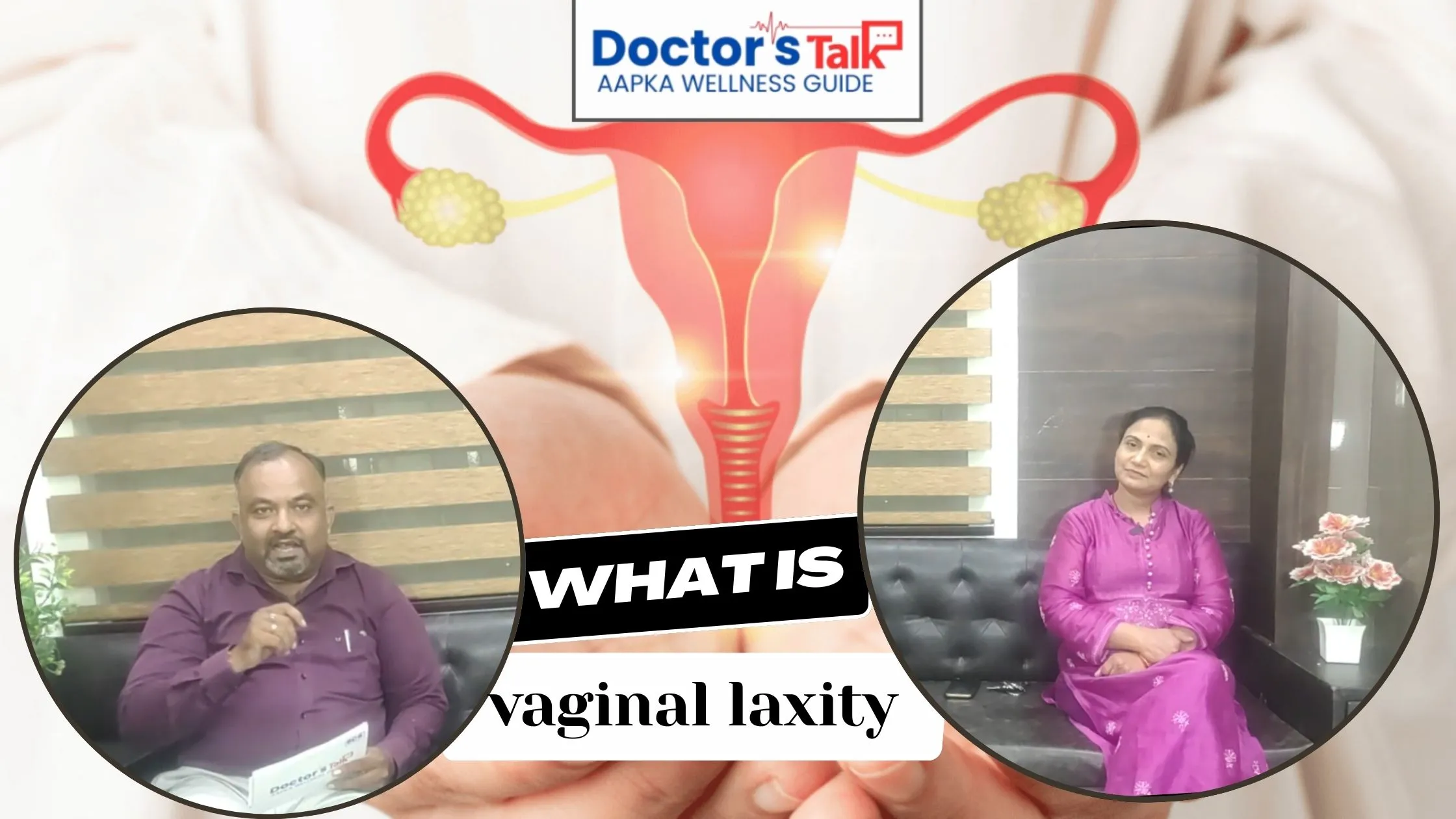
Many women silently face Vaginal Laxity (loosening of the vaginal canal) but often ignore it due to embarrassment or lack of awareness. However, if left untreated, it can affect not just intimate life but also pelvic floor health, bladder control, confidence, and overall well-being.
In this blog, with insights from Dr. Varsha Tiwari (Gynecologist), we will explain what vaginal laxity is, its causes, symptoms, and the most effective treatments available today.
What is Vaginal Laxity?
Vaginal Laxity is the loss of tightness and elasticity in the vaginal canal.
It occurs when the pelvic floor muscles and surrounding tissues become weak or stretched, leading to a feeling of looseness.
While it is a common condition, it can impact a woman’s intimate health, confidence, and even bladder control.
Causes of Vaginal Laxity
Several factors contribute to vaginal looseness:
- Childbirth – Vaginal delivery stretches the tissues and muscles.
- Aging – Natural collagen loss leads to reduced elasticity.
- Menopause – Low estrogen levels cause dryness and thinning of tissues.
- Hormonal changes – Affect vaginal tone and strength.
- Obesity & chronic cough – Increase pelvic pressure.
- Weak pelvic floor muscles – Reduce vaginal support.
- Genetic factors – Some women are naturally more prone.

Symptoms of Vaginal Laxity
If you experience the following, it could be due to vaginal laxity:
✔ Reduced sensation during intimacy
✔ Urinary leakage (incontinence)
✔ Feeling of looseness or lack of support
✔ Pelvic heaviness or pressure
✔ Low self-esteem & loss of confidence
Vaginal Tightening Exercises
Non-invasive exercises can help strengthen vaginal muscles:
- Kegel Exercises – Contract and relax pelvic muscles to improve strength.
- Yoga Asanas – Poses like Bridge Pose (Setu Bandhasana) & Malasana improve pelvic health.
- Pelvic Floor Training – Using biofeedback or devices for better results.
These exercises are most effective when done regularly under guidance.
Non-Surgical & Surgical Treatments
Modern gynecology offers advanced solutions for vaginal laxity:
Non-Surgical Treatments
- Laser Vaginal Rejuvenation – Stimulates collagen production, improves elasticity.
- Radiofrequency (RF) Therapy – Tightens vaginal tissue using controlled heat.
- PRP Therapy (Platelet Rich Plasma) – Promotes natural healing & tissue regeneration.
Surgical Treatments
- Vaginoplasty – Surgical tightening of the vaginal muscles.
- Perineoplasty – Repairs perineum and improves muscle tone.
Treatment choice depends on severity and patient preference, guided by a gynecologist.
Women’s Intimate Health Care Tips
- Maintain a healthy weight to reduce pelvic strain.
- Practice regular Kegel exercises.
- Stay hydrated and follow a balanced diet.
- Avoid smoking & excessive alcohol, as they reduce collagen.
- Go for regular gynecological check-ups.
Expert Advice – Dr. Varsha Tiwari
“Vaginal laxity is a common but treatable condition. Women should not ignore it or feel embarrassed. With modern treatments and lifestyle changes, vaginal health and confidence can be fully restored.”
Final Words
Vaginal laxity is not just an intimate health issue – it can affect urinary control, pelvic strength, and emotional well-being.
The good news is that effective treatments are available, from simple exercises to advanced medical procedures.
Don’t ignore the symptoms. Consult a gynecologist for the right solution.