

 rajeevmohank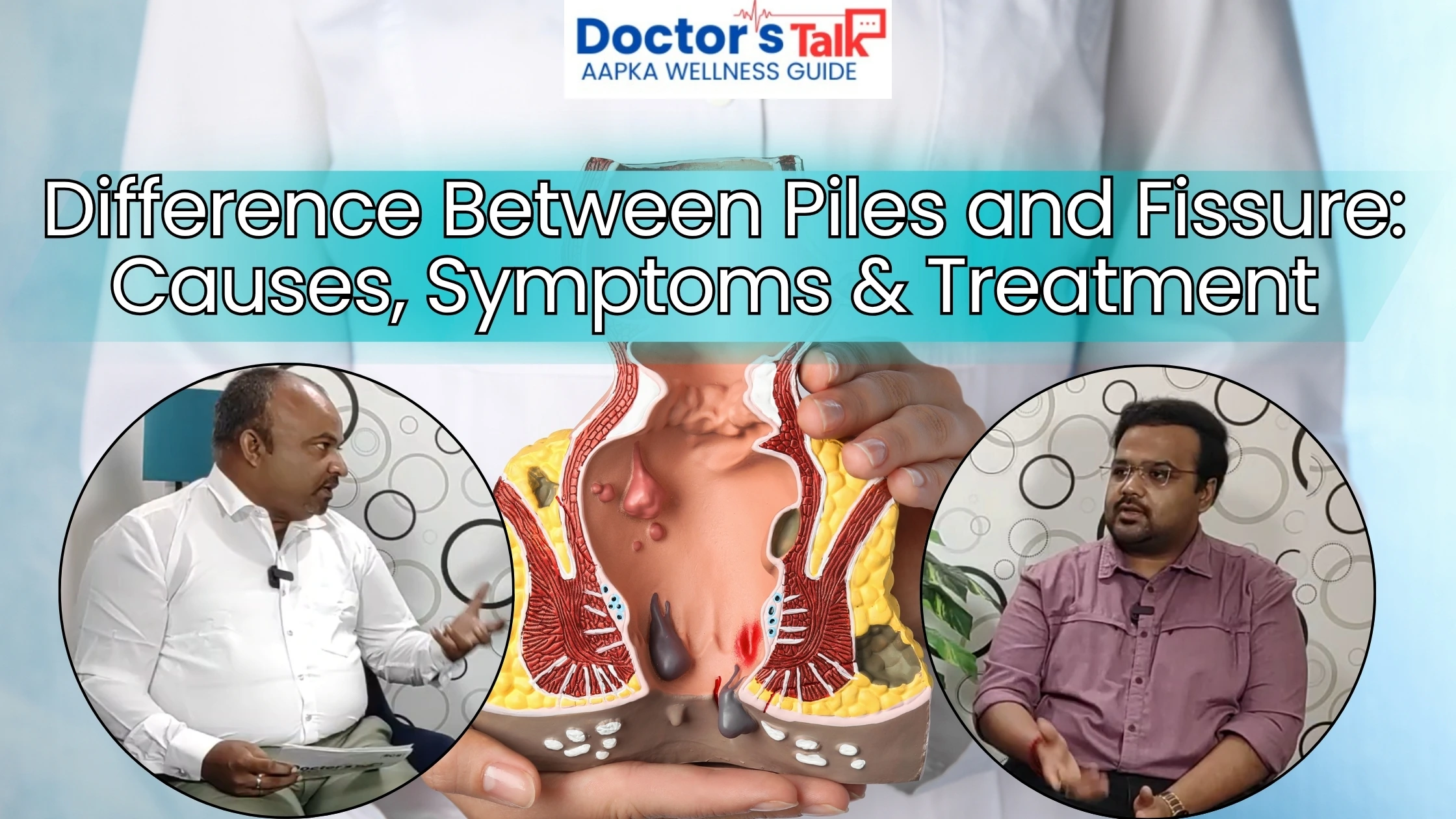
In this blog, Dr. Ankur Sharma, an experienced General, Laparoscopic & Laser Surgeon in Mathura, explains the key differences between piles and fissures, the causes and prevalence of fissures in India, its relation to pregnancy, and the most effective modern treatments available today.
What is the Difference Between Piles and Fissure?
While both conditions affect the anal region, their origin, symptoms, and treatment differ significantly.
| Feature | Piles (Hemorrhoids) | Anal Fissure |
| Definition | Swollen veins in the anal canal | Small tear or cut in the lining of the anus |
| Cause | Increased pressure on anal veins (constipation, pregnancy, prolonged sitting) | Passing hard stool, constipation, or trauma to the anal lining |
| Pain | Usually mild to moderate (in internal piles); severe if thrombosed | Sharp, severe, burning pain during and after passing stool |
| Bleeding | Bright red blood, usually painless | Streaks of blood on stool, with pain |
| Location | Inside or outside the anus | Usually at the posterior midline of the anus |
| Itching/Swelling | Common due to inflamed veins | May occur due to irritation and spasm |
| Treatment | May require laser or surgical removal in severe cases | Often heals with medication, diet, or minor procedures |
| Recurrence | Possible if lifestyle factors persist | Can recur if constipation or trauma continues |
In short, piles involve swollen blood vessels, while fissures are tears in the anal lining caused by trauma or strain.
What is a Fissure?
A fissure, medically known as an Anal Fissure, is a small tear or crack in the mucosal lining of the anus.
It usually occurs due to the passing of hard stool or straining during bowel movements, which stretches the anal canal excessively.
Types of Anal Fissures
Acute Fissure:
Newly developed tear that usually heals within a few days to weeks with medication and dietary changes.
Chronic Fissure:
Long-standing fissure (more than 6 weeks) with visible edges, often associated with a small skin tag and persistent pain.
Common Symptoms
- Sharp or burning pain during and after bowel movements
- Bright red blood on toilet paper or stool
- Itching or irritation around the anus
- Visible crack or tear near the anal opening
- Muscle spasms in the anal sphincter
The pain from fissure is often so severe that patients may avoid passing stool, leading to worsening constipation and a painful cycle that delays healing.
How Common is the Problem of Fissures in India?
Anal fissures are extremely common in India due to dietary habits, sedentary lifestyles, and high incidence of constipation.
Prevalence
- Studies suggest that approximately 15–20% of the Indian population suffers from anal fissures at some point.
- The condition affects both men and women, though slightly more common in young adults aged 20–40 years.
- People with low-fiber diets, irregular eating habits, and chronic constipation are at higher risk.
Common Causes in India
- Low Fiber Diet:
Indian diets often lack adequate fiber, leading to hard stools. - Dehydration:
Insufficient water intake contributes to constipation. - Spicy Food:
Regular consumption of spicy or oily food can irritate the anal mucosa. - Sedentary Lifestyle:
Long hours of sitting (especially in office jobs) increase pressure on the anal region. - Post-Delivery Strain in Women:
Pregnant and postpartum women are particularly susceptible due to increased pressure and hormonal changes.

Dr. Ankur Sharma emphasizes that early recognition and timely treatment can prevent fissures from becoming chronic or leading to complications like infection or abscess formation.
Fissures During Pregnancy: Why Are They Common?
Pregnancy brings several physiological changes that make women more vulnerable to developing anal fissures.
1. Hormonal Influence
Hormones like progesterone slow down digestion and intestinal movement, leading to constipation and harder stools a major trigger for fissures.
2. Increased Pressure
Growing uterus puts pressure on pelvic veins, affecting normal blood circulation in the rectal region, increasing the risk of both piles and fissures.
3. Dietary and Activity Changes
Reduced physical activity and prenatal iron supplements (which can cause constipation) make pregnant women more prone to fissures.
4. Postpartum Strain
During vaginal delivery, straining and pressure can cause small tears around the anal region.
Symptoms in Pregnant Women
- Sharp pain while passing stool
- Bleeding or burning sensation in the anus
- Discomfort while sitting
- Fear of passing stool due to pain
While these symptoms are temporary, consulting a qualified colorectal specialist like Dr. Ankur Sharma ensures proper management without harming the mother or baby.
Causes of Anal Fissure
Several factors contribute to the development of anal fissures:
- Chronic Constipation: The most common cause; hard stools stretch and tear the anal lining.
- Diarrhea: Frequent loose stools irritate the anal canal.
- Straining During Defecation: Excessive pressure causes tiny tears.
- Tight Anal Sphincter Muscle: Reduced blood flow delays healing.
- Inflammatory Conditions: Diseases like Crohn’s disease can predispose to fissures.
- Childbirth: Straining during delivery may cause tears in the anal region.
Treatment of Fissures by Dr. Ankur Sharma
The goal of treatment is to relieve pain, promote healing, and prevent recurrence.
Dr. Ankur Sharma, a renowned Laser and Laparoscopic Surgeon in Mathura, uses a combination of medical management and modern minimally invasive procedures for best results.
1. Conservative (Non-Surgical) Treatment
Ideal for acute fissures:
- High-Fiber Diet: Increases stool bulk and eases passage.
- Hydration: Drink at least 2–3 liters of water daily.
- Sitz Baths: Sitting in warm water for 10–15 minutes relaxes the anal muscles.
- Topical Ointments: Nitroglycerin or calcium channel blockers help improve blood flow and relax sphincter muscles.
- Stool Softeners: Prevent hard stools and minimize strain.
With proper care, most acute fissures heal within 4–6 weeks.
2. Advanced (Surgical) Treatment for Chronic Fissure
If conservative methods fail or fissure becomes chronic, minor surgical interventions are required.
a. Lateral Internal Sphincterotomy (LIS)
- A small portion of the anal sphincter muscle is cut to relieve pressure.
- Provides excellent results and promotes healing.
- Usually performed as a day-care procedure under local or short general anesthesia.
b. Laser Surgery for Fissure
- The latest and most advanced technique offered by Dr. Ankur Sharma.
- Uses focused laser energy to treat the fissure precisely and promote rapid healing.
- Advantages of Laser Treatment:
Minimally invasive
Painless and bloodless
Faster healing and recovery (1–2 days)
No stitches required
Lower risk of recurrence
Laser treatment is especially beneficial for patients who want a safe, quick, and modern solution with minimal discomfort.
Post-Treatment Care
Dr. Sharma emphasizes post-procedure lifestyle changes to prevent recurrence:
- Maintain a high-fiber diet (fruits, vegetables, whole grains).
- Avoid prolonged sitting and excessive straining.
- Drink plenty of water daily.
- Regular exercise or yoga for better digestion.
- Avoid spicy food and alcohol.
Why Choose Dr. Ankur Sharma for Fissure Treatment in Mathura
Dr. Ankur Sharma is a trusted General, Laparoscopic & Laser Surgeon known for his expertise in painless and advanced anorectal treatments.
He offers a comprehensive, patient-centric approach with the latest laser technologies, ensuring comfort, safety, and complete recovery.
Conclusion
Fissure is a painful tear in the anal lining, common among both men and women in India, especially during pregnancy or due to chronic constipation.
With the best Laser Fissure Treatment, patients can now experience painless, fast, and effective recovery without hospital stays or long downtime.
Under the expert care of Dr. Ankur Sharma, one of Mathura’s best Laser Surgeons, fissure treatment has become safer, simpler, and more successful than ever before.

:%20Causes,%20Symptoms,%20and%20Modern%20Laser%20Treatment%20Options%20|%20Dr.%20Ankur%20Sharma)