

 rajeevmohank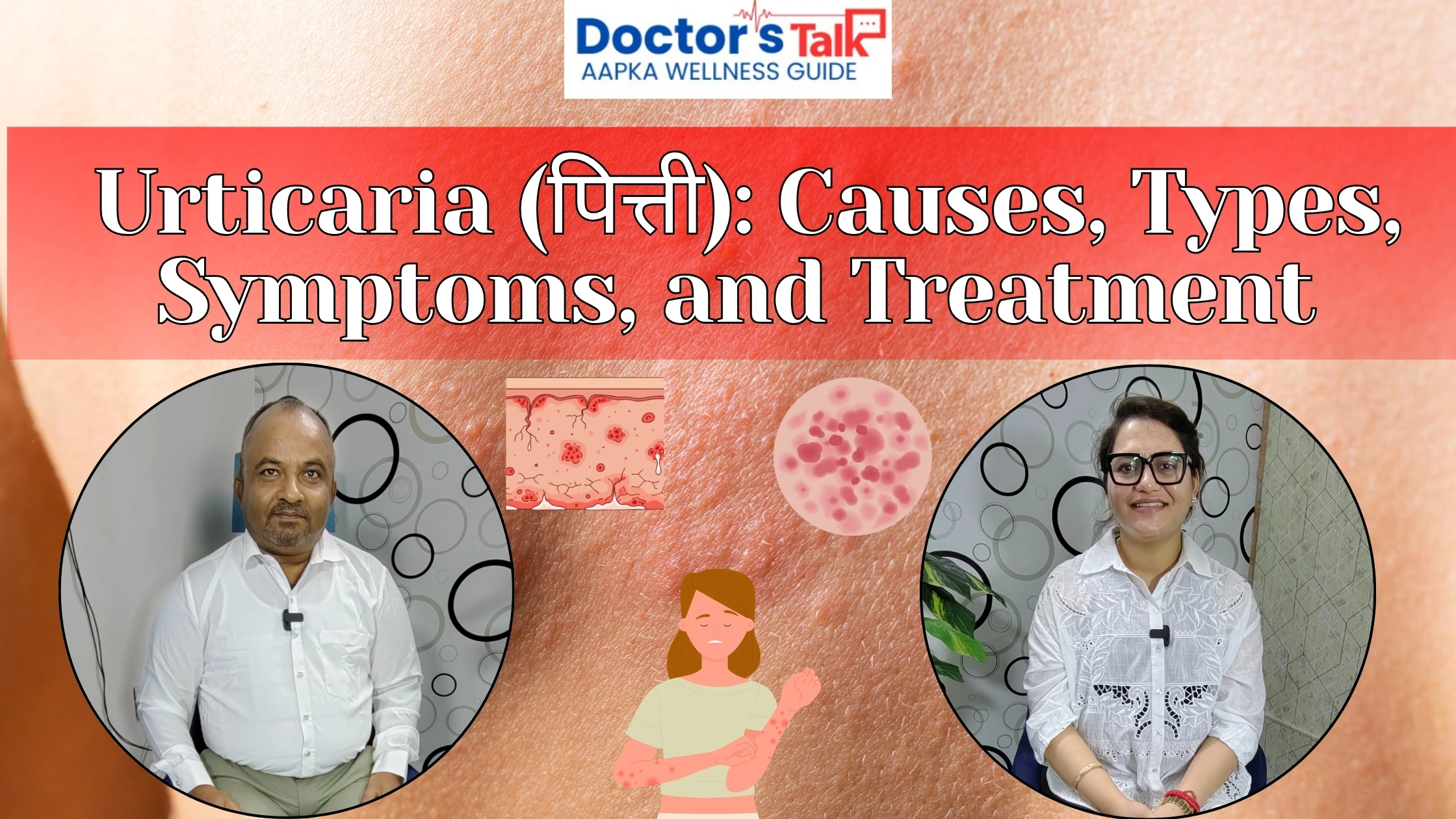
Skin allergies are among the most common medical concerns affecting people of all ages. One such skin condition that causes sudden itching, redness, and raised bumps is Urticaria, commonly known as Hives.
It can appear suddenly, spread quickly, and sometimes become a chronic condition requiring long-term management.
In this detailed blog, Dr. Tejaswini S. Sharma, a renowned dermatologist and allergy specialist, explains what Urticaria is, its different types, the difference between acute and chronic urticaria, and the best treatment options available.
What is Urticaria (Hives)?
Urticaria is a skin condition characterized by the appearance of red, itchy, raised welts or rashes on the skin. These welts can vary in size — from small spots to large patches — and can appear anywhere on the body.
The condition occurs when histamine and other chemical mediators are released from skin cells, causing blood vessels to leak and resulting in swelling and redness.
In simple terms, Urticaria is an allergic reaction of the skin that can be triggered by various internal or external factors such as food, medications, stress, temperature changes, or infections.
Common Symptoms of Urticaria
The symptoms of urticaria may appear suddenly and may last from a few hours to several weeks depending on the type and cause.
Common signs include:
- Red or skin-colored raised welts (hives)
- Severe itching or burning sensation
- Swelling around eyes, lips, or throat (angioedema in severe cases)
- Flare-ups that come and go frequently
- Skin irritation that worsens at night or after scratching
In most cases, urticaria is not life-threatening, but it can cause intense discomfort. However, if swelling affects breathing or the throat, immediate medical attention is required.
Types of Urticaria
Urticaria can be classified based on duration and trigger factors.
Below are the main types:
1. Acute Urticaria
- Lasts for less than 6 weeks.
- Usually caused by food allergies, insect bites, infections, or medications.
- Common triggers include nuts, shellfish, eggs, antibiotics, or painkillers.
- The rash typically fades within hours or days once the trigger is removed.
2. Chronic Urticaria
- Persists for more than 6 weeks or occurs repeatedly over months or years.
- The exact cause is often unknown (idiopathic), but autoimmune reactions and chronic infections can play a role.
- Symptoms may be milder but occur frequently.
- It can significantly affect quality of life due to persistent itching and sleep disturbance.
3. Physical Urticaria
- Triggered by external physical factors such as heat, cold, pressure, or sunlight.
- Common subtypes include:
- Cold urticaria: Triggered by exposure to cold air or water.
- Heat urticaria: Occurs after heat exposure or sweating.
- Dermatographism: Rash appears when the skin is scratched or rubbed.
- Cholinergic urticaria: Triggered by physical exertion or emotional stress.
4. Allergic Urticaria
- Triggered by specific allergens such as certain foods, drugs, pollen, or insect stings.
- Usually acute and resolves quickly after allergen avoidance and medication.
5. Contact Urticaria
- Occurs when the skin comes into direct contact with an irritating substance such as latex, cosmetics, or plants.
- The rash appears only on the area of contact.

Difference Between Acute and Chronic Urticaria
| Feature | Acute Urticaria | Chronic Urticaria |
| Duration | Lasts less than 6 weeks | Lasts more than 6 weeks |
| Cause | Usually allergic (food, drugs, infection) | Often autoimmune or idiopathic |
| Onset | Sudden and short-lived | Persistent or recurring |
| Common Triggers | Food, insect bites, medications | Autoimmune disorders, thyroid issues, chronic infection |
| Treatment Response | Improves quickly with antihistamines | Requires long-term management |
| Associated Symptoms | Itching and swelling | Itching, burning, sometimes joint pain or fatigue |
| Prognosis | Resolves with trigger removal | May require specialist care and regular follow-up |
In summary, acute urticaria is short-term and generally easy to manage, while chronic urticaria can be complex and may need specialized treatment and regular monitoring.
Common Causes and Triggers of Urticaria
Identifying the exact cause of urticaria can be challenging. However, Dr. Tejaswini S. Sharma identifies several common triggers:
1. Food Allergies
- Nuts, shellfish, eggs, milk, and strawberries are common culprits.
- Food additives and preservatives can also cause allergic reactions.
2. Medications
- Antibiotics (like penicillin), painkillers (NSAIDs, aspirin), and blood pressure drugs can trigger hives.
3. Infections
- Viral, bacterial, and parasitic infections can induce urticaria in both children and adults.
4. Insect Stings or Bites
- Bee or mosquito stings can cause allergic skin reactions.
5. Temperature and Weather Changes
- Sudden exposure to cold, heat, or sunlight can trigger physical urticaria.
6. Stress
- Emotional stress is known to worsen or trigger chronic hives.
7. Autoimmune Conditions
- Sometimes, the immune system attacks the body’s own tissues, releasing histamine and causing chronic urticaria.
Diagnosis of Urticaria
Accurate diagnosis is essential for effective treatment.
Dr. Tejaswini S. Sharma follows a systematic approach that includes:
- Detailed Medical History:
Discussion about symptoms, triggers, medications, and duration of rash. - Physical Examination:
Examination of skin lesions, swelling, and distribution of rash. - Allergy Tests:
Skin prick or blood tests to detect allergic triggers. - Blood Investigations:
To rule out infections, thyroid problems, or autoimmune disorders. - Elimination Tests:
Temporary removal of suspected food or medication to confirm the cause.
Treatment of Urticaria by Dr. Tejaswini S. Sharma
The goal of treatment is to relieve itching, reduce swelling, and prevent recurrence.
Dr. Tejaswini S. Sharma’s treatment approach is personalized, addressing both the symptoms and underlying causes.
1. Identifying and Avoiding Triggers
The first and most crucial step is to identify potential triggers and avoid them.
For example:
- Discontinue food or drugs causing allergy.
- Protect skin from extreme temperatures.
- Use mild soaps and non-irritating clothing.
2. Antihistamines
These are the first-line medications for urticaria. They block histamine, the chemical responsible for itching and redness.
Non-sedating antihistamines are often preferred for long-term use.
3. Corticosteroids
For severe cases or acute flare-ups, short-term corticosteroids may be prescribed to control inflammation and swelling.
4. Immunomodulators / Biologics
In chronic or resistant cases, advanced therapies like Omalizumab (anti-IgE therapy) or immunosuppressive drugs may be considered under specialist supervision.
5. Lifestyle and Home Care
- Keep skin cool and moisturized.
- Avoid tight clothing or hot showers.
- Manage stress through yoga or meditation.
- Maintain a healthy diet and regular sleep schedule.
6. Treatment of Underlying Conditions
If urticaria is linked to thyroid disease, infection, or autoimmune disorder, treating the root cause helps achieve long-term relief.
Why Consult Dr. Tejaswini S. Sharma for Urticaria Treatment?
Dr. Tejaswini S. Sharma is a best Dermatologist and Skin Allergy Specialist, known for her expertise in managing complex skin allergies and chronic urticaria.
Her treatment philosophy focuses on accurate diagnosis, evidence-based care, and long-term relief.
Key Reasons to Choose Dr. Tejaswini S. Sharma:
- Specialized training in dermatology and allergy management
- Extensive experience in treating chronic urticaria and skin allergies
- Modern diagnostic and treatment facilities
- Safe, effective, and patient-friendly approach
- Personalized skincare and follow-up programs
She believes in helping patients not only recover from the disease but also understand their skin better to prevent recurrence.
Prevention Tips for Urticaria
While not all cases of urticaria are preventable, following these tips from Dr. Tejaswini S. Sharma can minimize flare-ups:
- Identify and avoid known allergens
- Maintain a food and symptom diary
- Use hypoallergenic skincare products
- Avoid scratching and use cold compress for relief
- Manage stress effectively
- Stay hydrated and maintain a balanced diet
- Seek early medical advice if symptoms persist beyond a few days
Frequently Asked Questions (FAQs)
1. Is Urticaria contagious?
No. Urticaria is not contagious and cannot spread from one person to another.
2. Can stress cause Urticaria?
Yes. Stress is a known trigger that can worsen or cause recurrent hives in some individuals.
3. Is there a permanent cure for chronic Urticaria?
While chronic urticaria can last for months or years, with the right diagnosis and treatment by experts like Dr. Tejaswini S. Sharma, symptoms can be effectively controlled and even eliminated over time.
4. Can children develop Urticaria?
Yes. Children can develop hives due to food allergies, infections, or temperature changes. Most cases are mild and resolve with proper treatment.
Conclusion
Urticaria (Hives) may seem like a simple skin allergy, but for many, it can become a chronic and distressing condition that affects daily life.
Timely diagnosis, proper treatment, and lifestyle modifications can bring lasting relief.
Under the care of Dr. Tejaswini S. Sharma, patients receive expert guidance, personalized treatment plans, and advanced therapies for both acute and chronic urticaria.
Her approach focuses on addressing the root cause, ensuring complete skin healing, and improving overall quality of life.
If you or a loved one suffers from frequent itching, skin rashes, or unexplained hives, don’t ignore it —
Consult Dr. Tejaswini S. Sharma today for effective and safe urticaria treatment.

%20–%20Causes,%20Environmental%20Factors,%20Treatment,%20and%20Healing%20|%20Dr.%20Tejaswini%20S.%20Sharma)